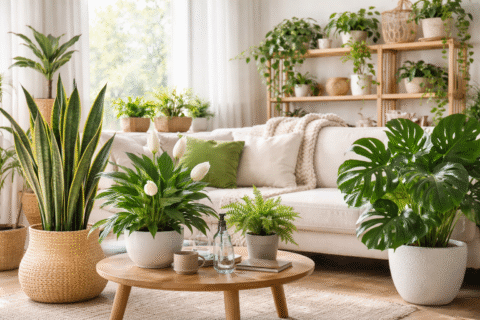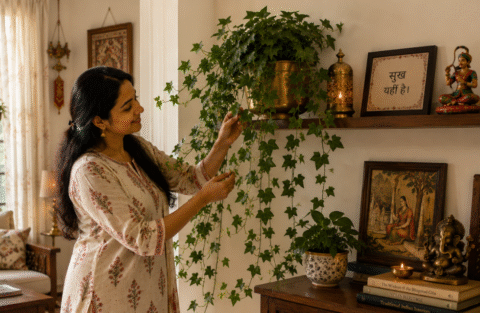


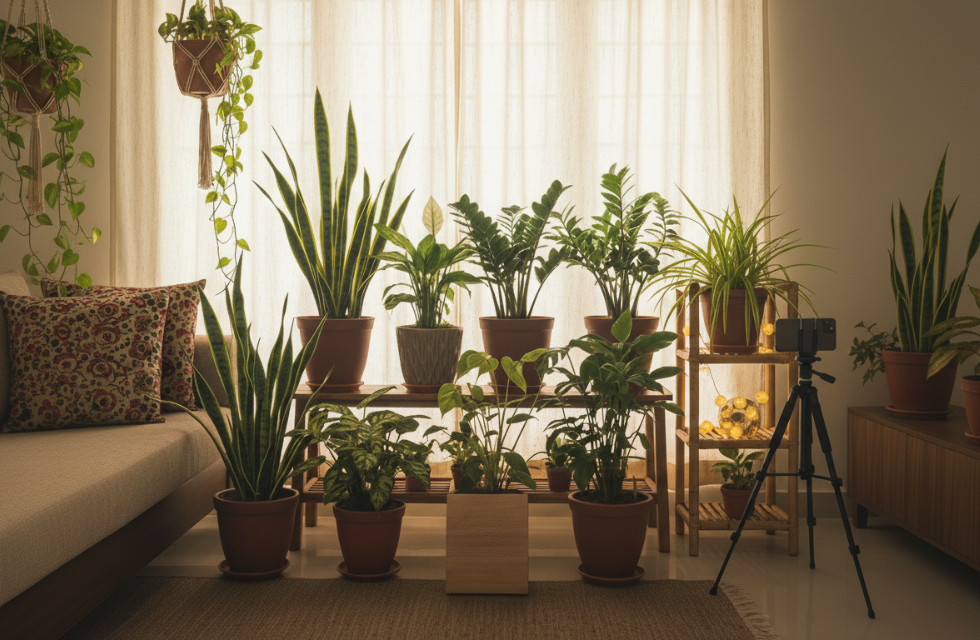
Indian homes are beautiful, vibrant, and full of character — but they don’t always receive consistent natural light. Whether it’s a compact apartment in a busy city, a north-facing room that rarely sees direct sunlight, or a home surrounded by other buildings, many indoor spaces across India fall under the low-light category. That’s exactly where low-light indoor plants become essential.
Low-light plants are not just decorative. They help you create a soothing, refreshing environment even in shaded corners where most plants struggle to survive. These hardy, shade-loving companions adapt easily to the Indian climate, helping homeowners enjoy greenery without needing a sunlit window or a gardening background.
In today’s fast-paced urban lifestyle, bringing plants indoors is more than a trend — it’s a way to reconnect with nature, reduce stress, and purify the air inside your home. Low-light plants make this possible for everyone, no matter how limited the sunlight is. They thrive in bedrooms, hallways, offices, and even windowless spaces, making them ideal for modern Indian living.
By choosing the right indoor plants for low-light conditions, you can transform any dull corner into a vibrant green spot that boosts your mood, enhances your décor, and improves your home’s air quality effortlessly. This guide will help you understand exactly how to select and care for the best low-light indoor plants for your Indian home, so you can create your own little sanctuary — one plant at a time.
How to Identify Low-Light Areas in Your Home
Before selecting indoor plants, it’s important to understand how much light your home actually receives. Many spaces appear bright because of artificial lighting or white walls, but they may still fall under the low-light category for plants. Identifying these zones correctly helps you choose the right plants that will thrive — not just survive.
- Understand What “Low Light” Really Means
Low light doesn’t mean complete darkness. It refers to areas where plants receive indirect or filtered sunlight for a short duration. These spots may feel comfortable for humans but are weaker compared to what most sun-loving plants need.
In simple terms, if you can read a book in the room without switching on a light during the day, it’s usually suitable for low-light plants.
- Use the 3-Step Light Assessment Method
Here’s a quick and practical way to evaluate the lighting in your home:
Step 1: Distance from the Window
- Areas 6–10 feet away from a window usually fall under low light.
- Corners, hallways, or spaces partially blocked by buildings or balconies also receive reduced light.
Step 2: Direction of the Window
- North-facing rooms in India receive the least direct sunlight.
- East-facing windows get soft morning light — ideal for shade-loving plants.
- West-facing rooms may get harsh afternoon sunlight but only for a couple of hours.
- South-facing is the brightest but may still have shaded pockets.
Step 3: Shadow Test
Stand in the space during daytime and observe your shadow:
- No shadow or a very faint one → Low light
- Soft, blurry shadow → Medium light
- Sharp, defined shadow → Bright light
This simple test helps even beginners identify plant-friendly zones.
- Common Low-Light Spots in Indian Homes
Indian homes, especially in cities like Bangalore, Mumbai, Kolkata, Chennai, and Delhi, often have natural low-light corners due to building density and compact layouts. Some typical low-light areas include:
- Bedrooms with small windows
- Hallways and corridors
- Corners of living rooms
- Bathrooms with frosted windows
- Study rooms with indirect light
- Apartments on lower floors
- Rooms shaded by adjacent buildings or trees
- Mistakes to Avoid While Identifying Low-Light Spaces
A few common misconceptions can lead to plant stress:
- Assuming LED lights provide enough energy for plants
- Placing plants in rooms with tinted or heavy curtains
- Keeping plants too far from windows
- Forgetting that monsoon and winter reduce natural light drastically
Identifying your home’s lighting correctly is the foundation of choosing the right plants. Once you know where the low-light zones are, selecting plants that thrive in those conditions becomes effortless — and your indoor garden stays healthy year-round.
Best Indoor Plants for Low-Light Indian Homes
Low-light Indian homes don’t have to miss out on greenery. Many indoor plants naturally thrive in shaded, indirect-light conditions and are perfect for apartments, offices, and compact living spaces. These plants are hardy, low-maintenance, air-purifying, and ideal for beginners.
Below is a curated list of the best low-light indoor plants suited for Indian climates, humidity levels, and home layouts. Each plant offers unique benefits—from oxygen production to décor enhancement.
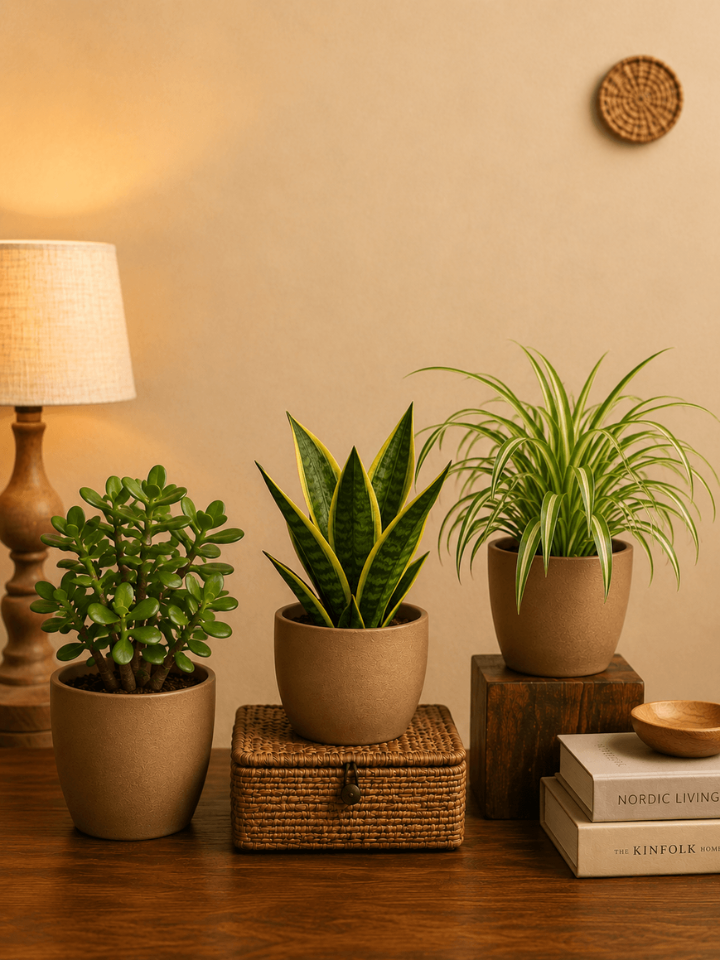
- Snake Plant (Sansevieria)
One of the toughest indoor plants you can grow, the Snake Plant thrives even in dim corners. Its upright leaves add a modern, stylish touch to bedrooms and living areas.
Why it’s perfect for low light:
- Survives on minimal sunlight
- Excellent air purifier
- Needs very little watering
Best spot: Bedrooms, study corners, office desks
- ZZ Plant (Zamioculcas zamiifolia)
ZZ Plant is known for its beautiful glossy leaves and almost zero-maintenance nature. It stays fresh and vibrant even in rooms with no direct sunlight.
Why it’s perfect for low light:
- Performs well in shadowy areas
- Tolerates irregular watering
- Ideal for busy homeowners
Best spot: Hallways, entryways, north-facing rooms
- Money Plant / Pothos
A classic favorite in Indian households, Pothos grows quickly and beautifully even in limited light. Its trailing vines instantly uplift home décor.
Why it’s perfect for low light:
- Adjusts between low and medium light
- Works well in water and soil
- Excellent for air purification
Best spot: Windowless corners, bathroom shelves, kitchen spaces
- Peace Lily (Spathiphyllum)
Peace Lily is known for its elegant white flowers and its ability to grow in dim settings. It’s one of the best plants for improving indoor air quality.
Why it’s perfect for low light:
- Thrives in shade
- Helps maintain humidity
- Great for AC/chilled indoor environments
Best spot: Bedrooms, living room corners, office cabins
- Areca Palm
A widely loved indoor plant, Areca Palm adds a tropical feel to any room and tolerates low but indirect light.
Why it’s perfect for low light:
- Grows well in indirect sunlight
- Improves air circulation
- Adds volume and greenery to small spaces
Best spot: Living room corners, shaded balconies
- Aglaonema (Chinese Evergreen)
With its colorful and patterned leaves, Aglaonema brings life to dark corners effortlessly.
Why it’s perfect for low light:
- Highly tolerant to shade
- Minimal care required
- Available in many attractive varieties
Best spot: Hallways, dining areas, corners away from windows
- Ferns (Boston, Maidenhair & More)
Ferns love humidity and low, filtered light—making them ideal for certain indoor spots in Indian homes.
Why they’re perfect for low light:
- Grow well in shade and moisture
- Create a soft, lush, green look
- Great for decorative arrangements
Best spot: Bathrooms, kitchens, shaded balconies
- Philodendron Varieties
Philodendrons adapt easily to low-light environments and grow well in compact spaces.
Why it’s perfect for low light:
- Strong, versatile indoor plant
- Climbers and bushy varieties available
- Beginner-friendly and forgiving
Best spot: Bedrooms, wall shelves, office tables
Quick Comparison for Easy Selection
Plant Name | Light Requirement | Watering Needs | Difficulty Level | Best Placement |
Very Low | Very Low | Beginner | Bedroom, Study | |
Very Low | Very Low | Beginner | Hallway, Entryway | |
Money Plant | Low–Medium | Low | Beginner | Corners, Bathroom |
Peace Lily | Low | Moderate | Intermediate | Bedroom, Living Room |
Areca Palm | Low–Medium | Moderate | Beginner | Living Room |
Aglaonema | Low | Low | Beginner | Dining Area, Hallway |
Ferns | Low | High | Intermediate | Bathroom, Kitchen |
Philodendron | Low–Medium | Low | Beginner | Shelves, Workspace |
These low-light indoor plants bring beauty, freshness, and wellness into Indian homes without demanding extra care or sunlight.
How to Select the Right Plant for Your Space
Choosing low-light indoor plants becomes much easier when you understand your home’s layout, lighting patterns, and personal lifestyle. The goal is simple: pick plants that not only survive but thrive in the space you place them.
- Match Plant Size with Room Size
Big plants in tiny rooms or tiny plants in big areas can throw off your décor balance.
Choose wisely:
- Small rooms / compact apartments: Money Plant, ZZ Plant, Philodendron, Aglaonema
- Medium rooms: Peace Lily, Snake Plant, Boston Fern
- Large living spaces: Areca Palm, bigger Philodendron varieties
A simple rule:
Small corners → small plants
Open spaces → full-sized plants
- Consider Your Maintenance Level
Everyone loves plants, but not everyone has the time for frequent care. Choose according to your lifestyle:
Beginner-Friendly (Very Low Maintenance)
- Snake Plant
- ZZ Plant
- Money Plant
- Philodendron
These survive even with irregular watering, making them ideal for working professionals and beginners.
Moderate Care
- Peace Lily
- Areca Palm
They need regular watering but are still manageable.
Higher Care (But Rewarding)
- Ferns
Perfect for people who enjoy nurturing plants and don’t mind maintaining humidity.
- Identify Your Purpose: Décor, Wellness, or Air Purification
Different plants offer different benefits:
For Stylish Décor:
- Philodendron varieties
- Aglaonema
- Peace Lily (with flowers)
For Better Air Quality:
- Snake Plant
- Areca Palm
- Money Plant
For Stress Relief & Calmness:
- Ferns
- Peace Lily
For Work-from-Home Desks:
- Small Snake Plant
- ZZ Plant
- Mini Philodendron
- Choose Plants Based on Light Conditions
Even low-light plants have preferences:
- Extremely low-light, windowless rooms: ZZ Plant, Snake Plant
- Filtered morning light: Peace Lily, Aglaonema, Philodendron
- Shaded but bright living rooms: Areca Palm, Pothos
- Humid low-light corners: Boston Fern, Maidenhair Fern
Matching plant and light needs ensures healthy, long-term growth.
- Pet-Friendly Low-Light Options
If you have pets, choose indoor plants that are safer around cats and dogs:
- Areca Palm
- Boston Fern
- Spider Plant (optional low-medium light)
Avoid: Peace Lily, Philodendron, and ZZ Plant (mildly toxic if ingested).
- Consider Plant Growth Pattern
Different plants grow in different shapes. Select based on the available space:
- Upright growers: Snake Plant, Peace Lily
- Trailing plants: Money Plant, Philodendron
- Bushy plants: Aglaonema, ZZ Plant
- Spreaders: Areca Palm
This helps you plan where the plant will sit without overcrowding your space later.
- Factor in Your Climate and Room Environment
Indian homes vary in humidity and airflow:
- Air-conditioned rooms: Snake Plant, ZZ Plant, Peace Lily
- Humid kitchens or bathrooms: Ferns, Pothos
- Low air movement: Snake Plant, Aglaonema
Matching plants to room settings ensures they adapt well throughout the year.
Choosing the right plant is all about understanding your space, lifestyle, and purpose. When you align these factors correctly, your indoor plants will flourish effortlessly—bringing life, calmness, and beauty to your home.
Low-Light Plant Care Guide
Low-light indoor plants may be easy to grow, but they still need mindful care to stay healthy, vibrant, and long-lasting. With the right routine, even shaded corners of your Indian home can flourish with lush greenery. Use this care guide to ensure your plants not only survive—but truly thrive.
- Watering Rules for Low-Light Plants
Watering is the most important (and most misunderstood) part of plant care.
✔ Water Less Frequently
Low-light areas mean slower growth and slower evaporation.
Overwatering is the biggest reason plants suffer indoors.
General guideline:
Water only when the top 1–2 inches of soil feels dry.
✔ Adjust Watering by Season
- Monsoon & Winter: Reduce watering
- Summer: Slightly increase, but don’t overdo it
- AC Rooms: Soil dries slower, so check moisture before watering
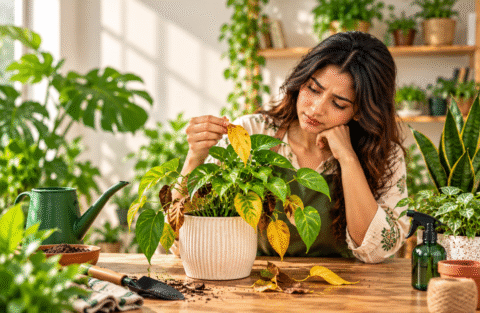
✔ Signs of Overwatering
- Yellow leaves
- Mushy stems
- Soil smelling sour
- Fungus on the top layer
If you see these signs, reduce watering immediately.
- Recommended Soil & Potting Mix
Choosing the right soil is crucial for low-light plants.
✔ Use a Light, Well-Draining Mix
Ideal components:
- 40% Cocopeat
- 30% Garden soil
- 20% Perlite or pumice
- 10% Compost
This mix ensures water drains quickly, preventing root rot.
✔ Add Neem Cake or Neem Powder
Helps protect roots from fungal infections—common in humid Indian homes.
- Avoid Root Rot at All Costs
Low-light areas retain moisture longer. To protect your plant:
- Always ensure pots have drainage holes
- Avoid keeping plates under pots filled with stagnant water
- Loosen soil every 2 weeks for better airflow
- Never water on a fixed schedule (like every 3 days)
→ Always check soil moisture first
- Fertilizer Guide for Low-Light Plants
Plants in low light grow slowly, so they don’t need heavy feeding.
✔ Feed Once Every 30–40 Days
Use mild fertilizers such as:
- Vermicompost
- Seaweed extract spray
- Mustard cake water (diluted)
Avoid over-fertilizing — it can burn roots, especially in shade.
- Signs Your Plant Needs More Light
Even shade-loving plants need some indirect sunlight. Watch for:
- Long, leggy stems
- Drooping or pale leaves
- Slow to no new growth
- Leaves turning smaller
- Soil staying wet for too long
If you notice these signs, move the plant closer to a window or a slightly brighter corner.
- Air Circulation Matters
Stagnant air encourages pests and fungal issues.
To improve airflow:
- Keep plants slightly apart
- Wipe leaves occasionally
- Turn on a fan at low speed for a few minutes (not directly on the plant)
- When to Repot Low-Light Plants
Repot only when necessary:
✔ Ideal Repotting Times
- When roots come out of drainage holes
- When soil dries too quickly
- Every 1–2 years for maintenance
Use a pot 1–2 inches larger—not oversized.
- Bonus Tips for Indian Homes
- Dust leaves once a month for better photosynthesis
- Rotate the plant every 7–10 days for even growth
- Avoid keeping plants too close to walls — reduces airflow
- Use clay/terracotta pots for humid cities like Kolkata, Mumbai, Chennai
Low-light plant care becomes easy when you follow these simple, practical steps. With consistent attention and the right conditions, your indoor plants will reward you with lush growth and refreshing energy all year round.
Placement Guide: Where to Keep Low-Light Plants Indoors
Placing your indoor plants correctly is just as important as choosing the right species. Even low-light plants have preferences, and understanding these helps you create a beautiful, healthy, and long-lasting indoor garden. Use this placement guide to ensure every plant gets the right amount of indirect light, humidity, and breathing space inside your Indian home.
- Bedroom Placement
Bedrooms often have soft, filtered light—perfect for shade-loving plants.
✔ Best Spots
- Near a window (but not directly on the sill)
- On bedside tables (small plants)
- On a corner planter stand
- Opposite the window in diffused light
✔ Recommended Plants
Snake Plant, Peace Lily, ZZ Plant, Philodendron
✔ Why They Work
These plants help purify air, add calmness, and thrive in low-intensity light common in Indian bedrooms.
- Living Room Corners
Living rooms tend to have spacious corners that receive gentle, indirect sunlight.
✔ Best Spots
- Corners opposite large windows
- Next to TV units
- Beside sofa sets
- On side tables or coffee tables
✔ Recommended Plants
Areca Palm, Aglaonema, Money Plant, Peace Lily
✔ Why They Work
These plants add height, colour, and lushness to the décor—without demanding harsh sunlight.
- Hallways and Corridors
These are mostly low-light zones but great for adding greenery.
✔ Best Spots
- Entryway tables
- Wall-mounted shelves
- Corners with ambient light
✔ Recommended Plants
ZZ Plant, Snake Plant, Philodendron
✔ Why They Work
They tolerate shade extremely well and brighten dull passages with minimal care.
- Bathrooms and Wash Areas
Indian bathrooms often have low, filtered light and high humidity—ideal for specific plants.
✔ Best Spots
- Near the shower area (not under direct water)
- Opposite small windows
- On a shelf or counter
✔ Recommended Plants
Boston Fern, Pothos (Money Plant), Spider Plant
✔ Why They Work
These plants love moisture and stay fresh even with minimal sunlight.
- Kitchen Corners
Kitchens have warm, humid environments that many plants thrive in.
✔ Best Spots
- Window ledge
- Open shelves
- Countertop corners away from the stove
✔ Recommended Plants
Pothos, Philodendron, Herbs (if mild light is present)
✔ Why They Work
These plants handle humidity well and add a refreshing touch to the cooking area.
- Office Desks & Study Rooms
Perfect for small, easy-care plants that don’t need direct light.
✔ Best Spots
- Work desks
- Floating wall shelves
- Study table corners
✔ Recommended Plants
Mini Snake Plant, ZZ Plant, Small Philodendron Varieties
✔ Why They Work
They create a calm, productive environment while lasting long with minimal effort.
- Windowless Rooms or Dark Corners
Some homes naturally have very low-light pockets due to architecture or surrounding buildings.
✔ Best Spots
- Corners away from direct drafts
- Tabletops with steady ambient light
- Areas with artificial lighting
✔ Recommended Plants
ZZ Plant, Snake Plant (the most tolerant)
(Add a small grow light if the room is extremely dark)
✔ Why They Work
They survive in the lowest light conditions and maintain their shape beautifully.
- Vastu-Friendly Placement for Indian Homes
For those who follow Vastu principles:
- North/East Direction: Money Plant, Tulsi (medium light), Ferns
- South-East Corner: Areca Palm, Aglaonema
- Entrance: ZZ Plant, Snake Plant for positivity
These placements align with traditional Indian home energy flow beliefs.
- Common Placement Mistakes to Avoid
- Keeping plants directly under harsh afternoon sun
- Placing pots right next to AC vents
- Keeping plants touching walls (limits airflow)
- Cluttering corners with too many pots
- Placing ferns in dry, hot rooms
Avoid these mistakes to ensure long-term plant health.
Placing your plants thoughtfully makes your home look more aesthetic while keeping your indoor garden thriving.
Common Problems with Low-Light Plants & Easy Fixes
Even the hardiest low-light plants may show stress if their needs aren’t met. The good news? Most issues are easy to diagnose and even easier to correct. Here’s a practical troubleshooting guide tailored for Indian homes, helping you understand what your plant is trying to tell you — and how to fix it quickly.
- Yellowing Leaves
Cause:
The number one reason is overwatering, especially in low-light zones where the soil stays wet for longer.
How to Fix:
- Let the soil dry completely before the next watering.
- Check if the pot has proper drainage.
- Remove excess water from the bottom plate, if any.
- Shift the plant to a slightly brighter spot for a few days.
- Wilting or Drooping Leaves
Cause:
Can be due to underwatering, root rot, or sudden temperature changes (common in AC rooms).
How to Fix:
- Touch the soil — if dry, water thoroughly.
- If soil is soggy, improve drainage and let it dry out.
- Avoid keeping plants directly under AC vents.
Tip: Plants in low light need less water than you think.
- Slow or No New Growth
Cause:
Insufficient light, depleted soil nutrients, or seasonal slowdowns (winter).
How to Fix:
- Move the plant 2–3 feet closer to natural light.
- Add a mild fertilizer (seaweed, vermicompost) once every 30–40 days.
- Rotate the plant weekly so all sides get light.
- Pale or Light Green Leaves
Cause:
Photosynthesis is low, usually due to very low light or poor nutrition.
How to Fix:
- Place the plant where it receives soft morning light.
- Add diluted liquid fertilizer monthly.
- Dust leaves to increase light absorption.
- Root Rot (The Silent Killer)
Cause:
Excess watering + poor drainage = soggy roots that decay quickly.
How to Fix:
- Remove the plant from the pot and trim mushy roots.
- Repot in fresh, airy potting mix.
- Reduce watering frequency significantly.
- Place the plant in indirect bright light for recovery.
Root rot is common in Indian monsoons — stay extra cautious during rainy months.
- Brown Leaf Tips
Cause:
Low humidity, especially in air-conditioned or dry indoor rooms.
How to Fix:
- Mist the plant lightly (except on flowers).
- Add a pebble tray with water to increase humidity.
- Keep away from harsh fans and heat sources.
This is common for ferns and Peace Lilies in dry climates.
- Pest Infestations (Mealybugs, Aphids, Fungus Gnats)
Cause:
Stagnant air, excess moisture, dusty leaves, or poor soil.
How to Fix:
- Wipe leaves with neem oil or mild soapy water.
- Use neem cake powder in the soil.
- Improve air circulation.
- Allow the soil to dry between waterings.
Regular leaf cleaning prevents 90% of pest issues.
- Leaves Falling from the Base
Cause:
Natural aging, sudden shift in location, or inconsistent watering.
How to Fix:
- Avoid moving plants too frequently.
- Follow a consistent light and watering routine.
- Trim dead leaves to encourage new growth.
- Mold or Fungus on Soil Surface
Cause:
High moisture + no sunlight = fungal buildup.
How to Fix:
- Remove the top 1 inch of soil and replace with fresh mix.
- Keep the plant in a brighter area temporarily.
- Improve airflow and avoid overwatering.
- Leggy or Stretched-Out Growth
Cause:
Plant is reaching for light — a classic sign of low light.
How to Fix:
- Move it slightly closer to a window.
- Use a small grow light during evenings if needed.
- Prune long stems to encourage fuller growth.
Most plant issues are reversible once you identify the cause. By observing your plant’s behavior closely, you can correct the problem quickly and keep your indoor greenery looking lush and healthy.
Expert Tips to Boost Plant Health in Low Light
Low-light indoor plants are naturally resilient, but a few expert techniques can help them grow faster, stay greener, and remain healthier year-round. These practical tips are tailored for Indian homes, where lighting patterns, humidity levels, and indoor layouts vary widely. Apply these pro strategies to elevate your plant care routine — even in the darkest corners of your house.
- Rotate Your Plants Regularly
Plants naturally grow toward the available light.
If they receive light from only one direction, they become uneven or leggy.
✔ What to do
Rotate your plants a quarter turn every 7–10 days.
This ensures balanced growth and prevents them from leaning.
- Use Artificial Grow Lights (Budget-Friendly Options)
If a space is extremely dim or windowless, supplementing natural light makes a big difference.
✔ Recommended artificial light types
- LED grow bulbs
- Full-spectrum desk lamps
- Clip-on grow lights (ideal for shelves)
✔ Usage rule
Keep the lights 10–15 inches above the plant and run them for 4–6 hours a day.
These options are affordable and easily available online in India.
- Clean the Leaves for Better Photosynthesis
Dust accumulates quickly in Indian homes due to pollution and weather conditions.
Dust-covered leaves cannot absorb light efficiently.
✔ What to do
- Wipe leaves with a soft cloth every 2–3 weeks
- Use clean, plain water
- Avoid oil or shine products (block pores)
Shiny, clean leaves = healthier plants.
- Maintain Ideal Humidity Levels
Some low-light plants like Peace Lily and Ferns prefer humidity.
In Indian homes — especially AC rooms — air can become too dry.
✔ How to increase humidity
- Mist lightly (avoid misting Snake Plant & ZZ Plant)
- Place plants together to create a microclimate
- Use pebble trays
- Keep plants away from direct air from fans and ACs
Humidity boosts lush growth.
- Improve Air Circulation
Stagnant indoor air leads to pests, fungal infections, and slow growth.
✔ What to do
- Keep plants slightly apart, not touching each other
- Use a ceiling fan on low speed occasionally
- Open windows when possible for natural airflow
Good airflow keeps your plants fresh and strong.
- Prune for Fuller Growth
Pruning helps shape plants and encourages new branches and leaves.
✔ What to prune
- Yellow or dead leaves
- Leggy stems
- Weak or faded growth
This keeps the plant tidy and encourages dense foliage.
- Refresh Soil Every Year
Even if a plant doesn’t need repotting, the soil loses nutrients over time.
✔ Refreshing method
- Remove the top 1–2 inches of soil
- Replace with fresh mix containing compost and perlite
This simple step instantly boosts plant nutrition.
- Use Fertilizers Smartly — Not Excessively
Low-light plants grow slower, so they don’t require heavy feeding.
✔ Best fertilizers
- Seaweed extract
- Diluted mustard cake water
- Vermicompost
- Organic liquid plant food
Feed once every 30–45 days during active growth months.
- Group Compatible Plants Together
Creating plant clusters helps:
- Increase humidity naturally
- Improve the visual appeal
- Create a “micro-ecosystem” for healthier growth
Group plants with similar light and water needs.
- Be Patient — Slow Growth is Normal
Low-light plants naturally grow slower due to limited light availability.
This is not a sign of poor health.
✔ What to remember
- Celebrate small new leaves
- Avoid over-correcting care routines
- Let the plant adapt to your home’s environment
Patience leads to long-term success with indoor plants.
These expert tips help your plants stay happy and healthy, even if they’re kept in dim, shaded, or windowless spaces. With consistent care and small adjustments, your indoor garden can thrive effortlessly.
Frequently Asked Questions (FAQs)
When it comes to choosing and caring for low-light indoor plants, homeowners often have similar questions. Here are clear, helpful answers to the most common queries—so you can make confident decisions and keep your plants thriving in low-light Indian conditions.
- Can plants survive in rooms with no windows at all?
Yes—some plants like ZZ Plant and Snake Plant can tolerate extremely low-light or even artificial light-only setups.
However, completely dark rooms need supplemental grow lights for long-term plant health.
- Do indoor LED lights act as sunlight for plants?
Regular LED bulbs are not designed for plant growth.
Plants need full-spectrum grow lights to perform photosynthesis effectively.
You can use affordable grow bulbs for 4–6 hours daily in dark corners.
- Which low-light plants are best for beginners?
If you’re new to indoor gardening, start with:
- Snake Plant
- ZZ Plant
- Money Plant
- Philodendron
These plants require minimal care and adapt well to almost any indoor setting.
- How often should I water low-light plants?
Watering frequency depends on the plant and climate.
In general:
- Water only when the top 1–2 inches of soil feel dry
- Reduce watering in winter and monsoon
- Avoid fixed schedules; always check the soil
Overwatering is the most common cause of plant death indoors.
- Why are my plant’s leaves turning yellow?
Most often due to overwatering, especially in low-light corners.
Other reasons include poor drainage, root rot, or nutrient deficiency.
Fix by adjusting watering and improving soil conditions.
- Are low-light plants safe for homes with pets?
Some plants are pet-safe, while others should be handled cautiously.
✔ Safe Options:
- Areca Palm
- Boston Fern
- Spider Plant
✔ Use with Caution:
- ZZ Plant
- Philodendron
- Peace Lily
If pets chew plants often, keep them on shelves or higher platforms.
- How do I know if my plant needs more light?
Watch for these signs:
- Stretching or leggy growth
- Smaller, pale leaves
- Slow or stopped growth
- Soil staying wet for too long
- Leaning toward the nearest light source
Simply moving the plant closer to a window often solves the issue.
- Can low-light plants really purify indoor air?
Yes, plants like Snake Plant, Peace Lily, Money Plant, and Areca Palm help remove indoor toxins.
While they’re not a replacement for ventilation, they improve indoor freshness and ambiance.
- Which low-light plants grow fastest?
Money Plant and Philodendron varieties tend to grow faster than most other low-light species, even with minimal sunlight.
- How do I keep low-light plants alive during winter?
Winter in India brings shorter days and slower plant metabolism.
✔ Tips for winter care:
- Cut back on watering
- Place plants in the brightest corner available
- Avoid cold drafts from windows or AC units
- Use grow lights if needed
- Is it normal for low-light plants to grow slowly?
Absolutely.
Slow growth is natural because these plants receive less light than outdoor species.
Consistency in care matters more than rapid growth.
- Do low-light plants attract insects?
Only if:
- Soil stays too wet
- Air circulation is poor
- Leaves are dusty
Prevent pests by using neem oil sprays, keeping soil airy, and maintaining proper airflow.
Conclusion: Create a Green, Calm Corner in Your Indian Home
Low-light indoor plants open the door for every Indian home—big or small, bright or shaded—to experience the joy and comfort that greenery brings. Even if your rooms don’t receive direct sunlight or your lifestyle is busy, there’s still a perfect plant waiting to thrive in your space. With the right selection and simple care routines, you can create an inviting, refreshing environment that enhances your décor and supports your well-being.
These plants do more than decorate. They help purify the air, reduce stress, boost focus, and bring a sense of peace—something every home deserves. By understanding your light conditions, choosing the right plants, and following easy care tips, you’re already halfway to creating your own indoor oasis.
Whether it’s a ZZ Plant brightening a dark hallway, a Peace Lily bringing calm to your bedroom, or a Money Plant trailing beautifully across your shelves, each plant adds a touch of nature that transforms your everyday living.
Let your home breathe.
Let your space bloom.
And let every low-light corner become a green, comforting sanctuary—one plant at a time.